Process Journal

Assessment Task 1: Reflective Evidence and Outcomes

Missions 1 and 2: Solo App Developers and Niche Print on Demand

Entry 01

Course Content Application

Mission 1 examined the strategies of solo app developers Romaen and Ben Kim. Their shared approach demonstrated that building solutions for personal problems and shipping simplified versions fast provides rapid proof of concept. Mission 2 shifted focus to POD opportunities. Market research indicated badminton is the second most played sport globally with over 300 million players and steady Google Trends growth. Despite a 7 billion dollar market value, the community remains underserved by mainstream sports merchandise companies.

Issues Identified

A primary issue identified in Mission 1 was distribution. As noted in the case studies, a highly functional app earns nothing if it remains undiscovered by users. Finding an audience is often harder than building the product itself. In Mission 2, the challenge was identifying a physical product that generates recurring revenue without requiring the capital risk of bulk manufacturing orders.

Strategies Used

For the physical product component, I selected customisable badminton racquet grips and butt caps via POD Grips are consumable items replaced every two to four weeks, creating a natural cycle for repeat purchases. Selling them in multipacks encourages volume purchasing. The POD model allows for customisation e.g. player numbers and national flags while maintaining zero MOQ.
Custom badminton grip tape product mockup

Missions 3 and 4: Amazon KDP and Content Creation

Entry 02

Course Content Application

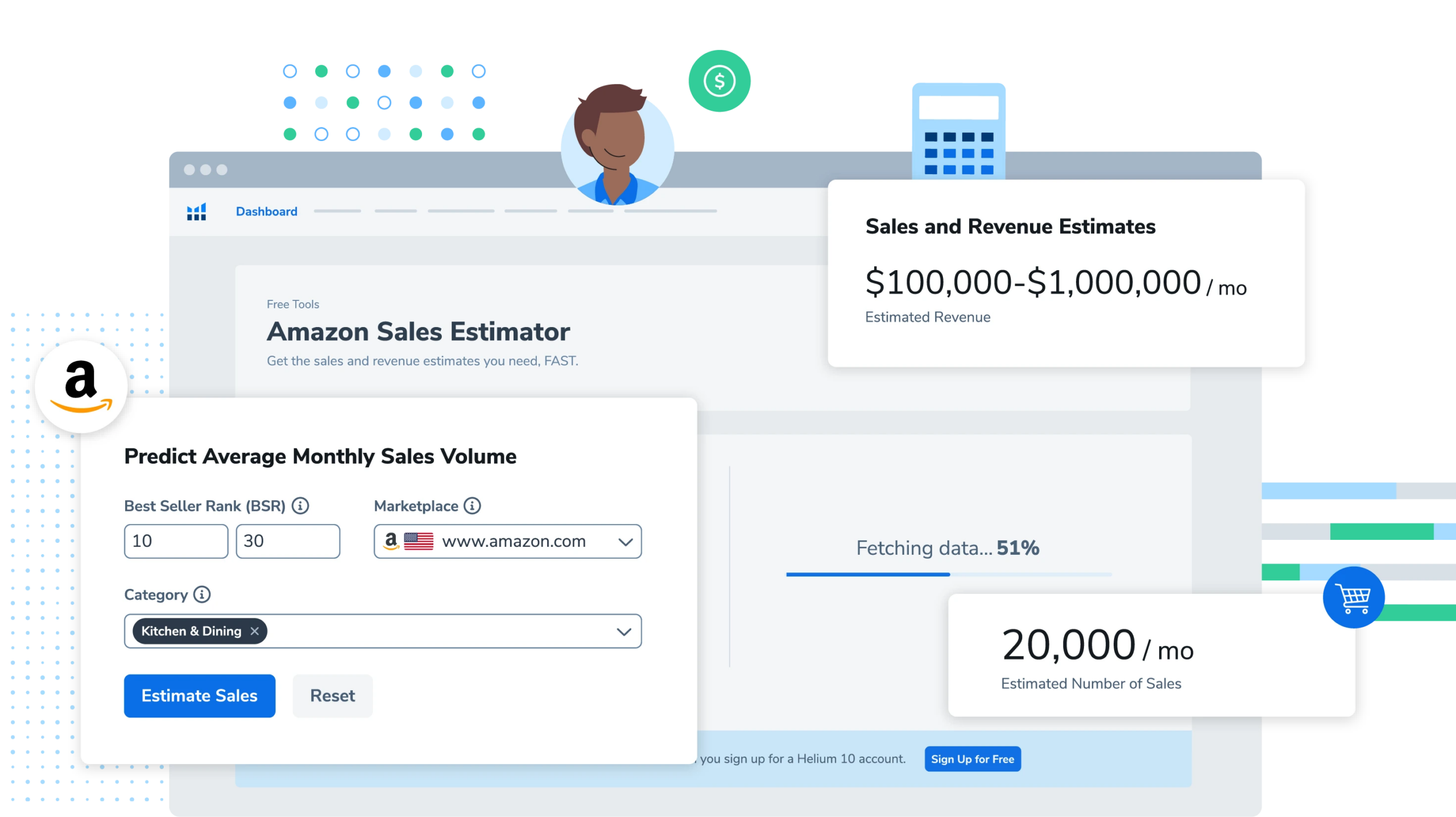
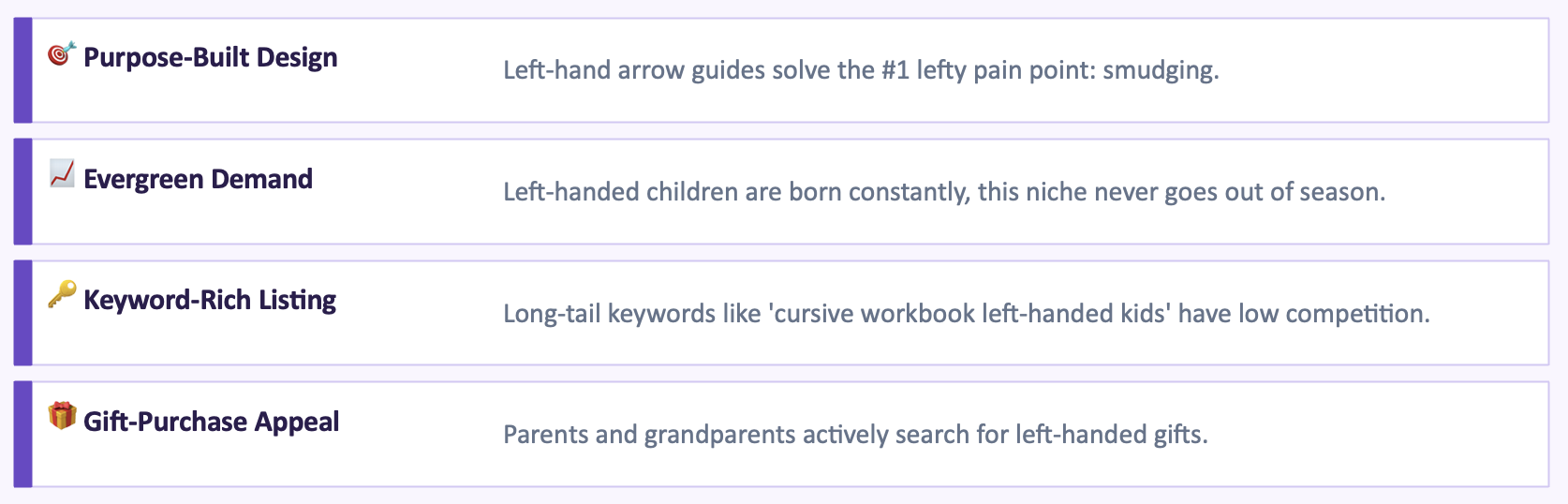
Mission 3 applied Rapid Value Creation to Amazon KDP. I researched the niche of cursive handwriting for left handers and identified a potential market gap. The research showed approximately 100000 plus monthly searches, medium competition and fewer than 50 dedicated left handed cursive books. I used this information to develop a purpose built niche handwriting workbook for left handed children rather than creating a generic cursive book which has too much competition.

Mission 4 focused on content creation through developing The Self Sufficient Life, a DIY homesteading blog. I identified the cost of living crisis and increasing interest in home growing sustainable food. Google Trends research showed increasing search demand for terms including grow your own food, homesteading beginners and suburban garden between 2021 and 2026.

I also identified several potential revenue streams, including affiliate marketing, website based advertising, brand sponsorships and digital products. This demonstrated how evergreen informational content could potentially generate semi passive revenue through multiple channels rather than relying on a single source of income.

Issues Identified

A key issue I identified was that creating content does not automatically generate an audience or revenue. The homesteading research indicated that meaningful traffic could take 6 to 12 months, meaning the business would require consistent content publishing. I also recognised that the blog would need to differentiate itself from broader homesteading websites by targeting a more specific niche.

Another issue was ensuring that market claims were supported by evidence. I therefore used Google Trends, adveristing CPM prices and statistics to validate the opportunity before developing the concept.

Strategies Used

I used a targeted testing and market validation approach to determine whether the homesteading niche had sufficient demand and monetisation potential. Google Trends was used to identify search growth, while adveristing CPM and demographic data helped establish whether there was a viable audience.

I also developed the concept around a niche target audience rather than attempting to appeal to everyone. The primary audience was suburban homeowners aged 28 to 45 seeking greater food security and independence, with secondary audiences including environmentally conscious younger consumers and the self reliance community.

This reinforced the importance of understanding of consumer needs. Instead of simply creating content I personally found interesting, I used evidence about search behaviour, audience pain points and monetisation opportunities to determine what content could provide value and act as a potential income source.

Left handers handwriting book layout
Google Trends data for homesteading search terms

Missions 5 and 6: TikTok Organic and Facebook Advertising

Entry 03

Course Content Application

Missions 5 and 6 involved practical applications of dropshipping logistics and active marketing. I selected a posture correcting back brace sourced from AliExpress. I tested this product using organic TikTok video content aimed at generating virality. I also created a Facebook advertising campaign to test paid advertising, tracking metrics such as CPA click through rate and ROAS

Issues Identified

The Facebook advertising data demonstrated that the back brace was only moderately profitable via paid channels. On TikTok videos that explained the product would have objectively failed to gain traction, due to the fast pace and need of quick dopamine spiking videos that catch the audiences attention, to mitigate this in the future using a viral hook right at the start of the video would be beneficial to creating a viral video.

Strategies Used

I utilised the excel spreadsheet with formulas provided in the missions to determine the ROAS.

Facebook Ads Manager financial analysis matrix
Storyboard for TikTok back brace video

Missions 7 and 8: Due Diligence, Dual Mindsets, and Strategic Reflection

Entry 04

Course Content Application

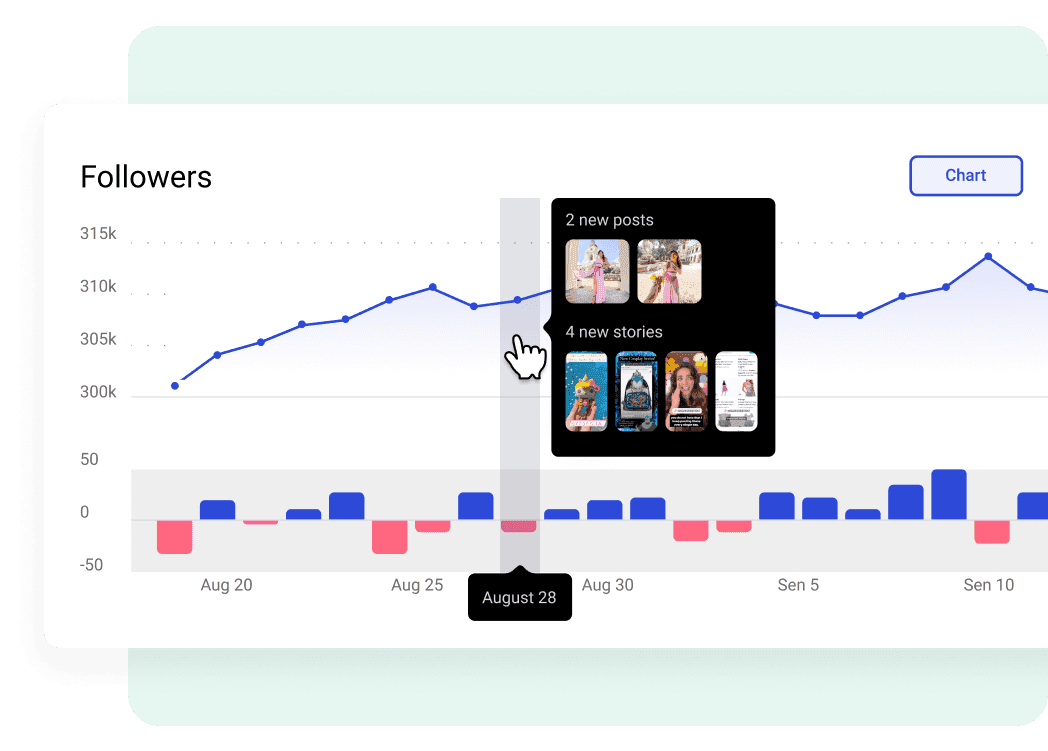
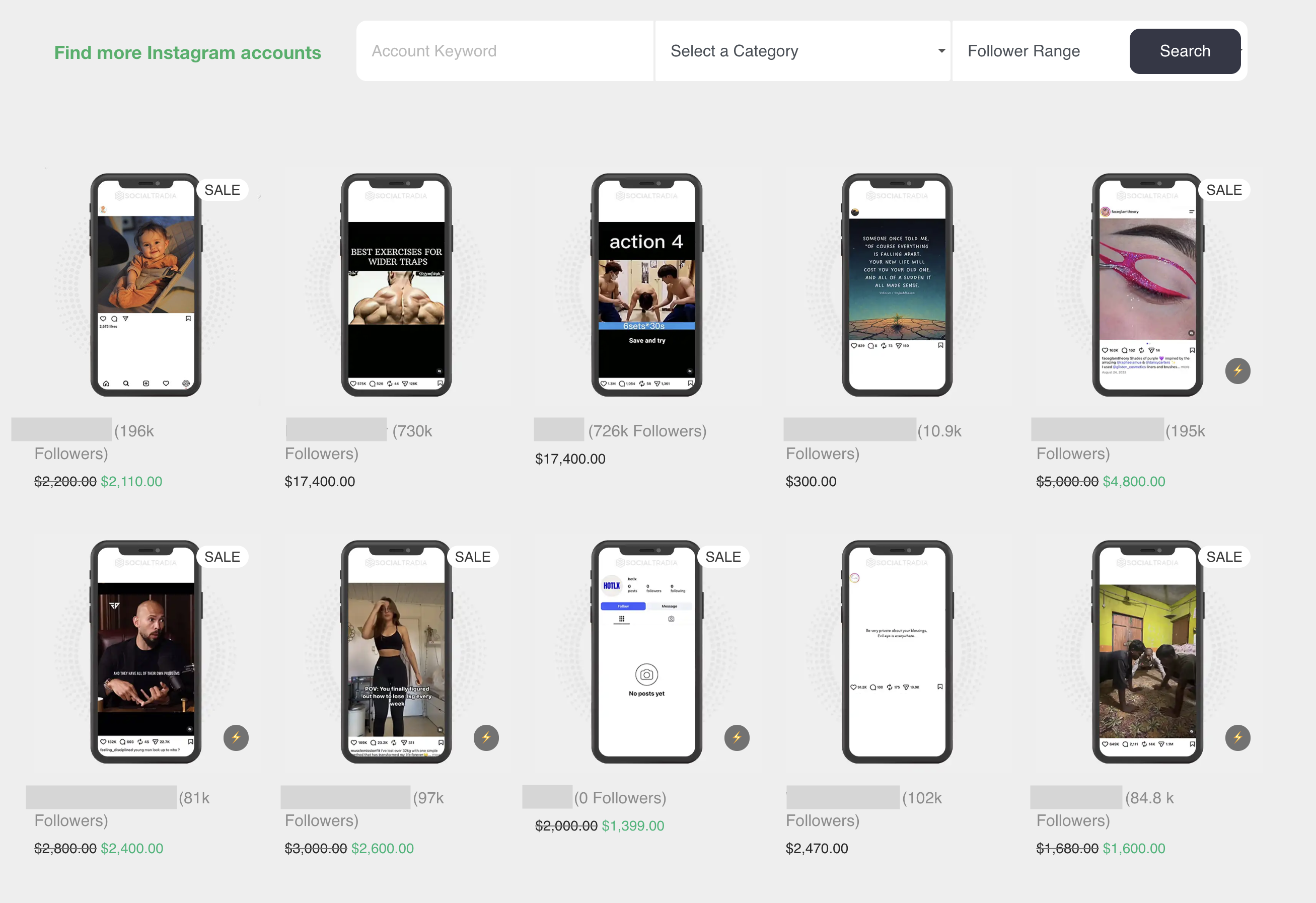
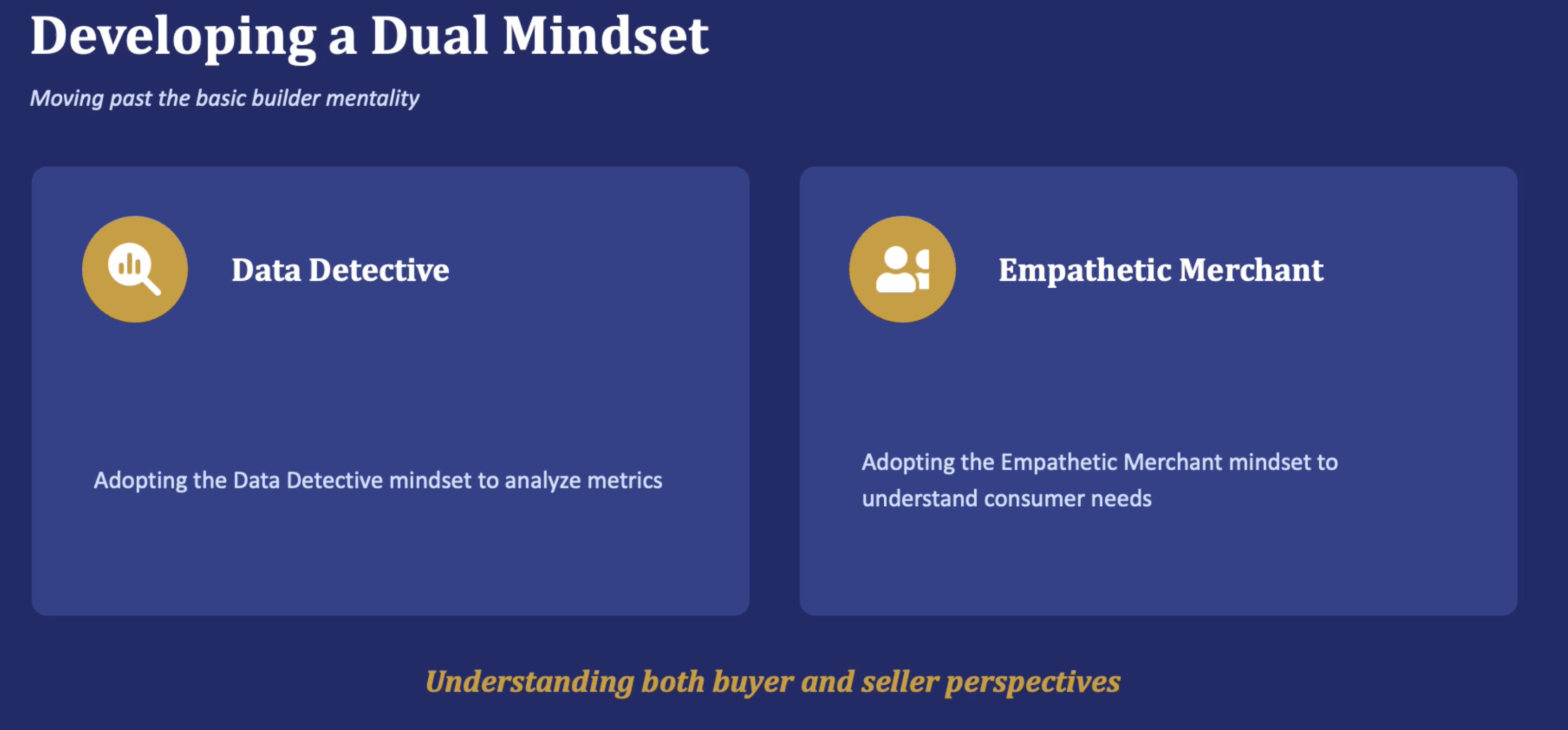
Missions 7 and 8 consolidated the core frameworks of the course, shifting focus from initial creation to long term evaluation and reflection. Two central concepts reshaped my approach to product decisions: targeted testing and due diligence. Targeted testing replaced random guessing with validation of products using AliExpress and Google Trends, alongside calculating profit margins before committing capital. Due diligence provided a method to evaluate digital properties, such as a dog focused Instagram account on Social Tradia, using tools like Social Blade and Meta Ad Library to verify traffic sustainability and look beyond the follower counts which does not prove engagement. Furthermore being an empathetic merchant is important to understand consumer needs and evaluate both buyer and seller perspectives.

Issues Identified

Reflecting on earlier work, highlighted mistakes to avoid. A primary mistake was designing products based on subjective personal taste rather than verified market demand. Such as the homesteading blog properly to check existing market competition leads to building products with no viable audience. In the case of the blog, there are already many existing homesteading blogs including niche ones.

Strategies Used

To ensure ongoing success, I established a few core strategies. First, reframe failure, effort does not equal reward myth and treating unsuccessful tests data to help improve future performance. Second, emulate rather than invent by studying and improving upon validated products already succeeding in the market instead of trying to reinvent the wheel. Third, build a community of practice with peers to share verified data, discuss testing outcomes.

Targeted testing and due diligence frameworks
Developing a dual mindset and three strategies for success